Introduction to Nigersaurus
The Nigersaurus, often referred to as the dinosaur with 500 teeth, is a fascinating creature from the Cretaceous period. Discovered in the rich fossil beds of the Sahara Desert, this unique dinosaur has captivated the interest of paleontologists and dinosaur enthusiasts alike. Its name, meaning “Niger reptile,” reflects the region where its remains were first uncovered.
Unique Features of the 500 Teeth Dinosaur
One of the most striking features of Nigersaurus is its jaw, which housed approximately 500 slender, closely packed teeth. Nigersaurus used these teeth, perfectly adapted to a specialized diet, to strip vegetation efficiently. Moreover, unlike many other dinosaurs, it had a highly specialized skull with a wide muzzle ideal for grazing close to the ground.
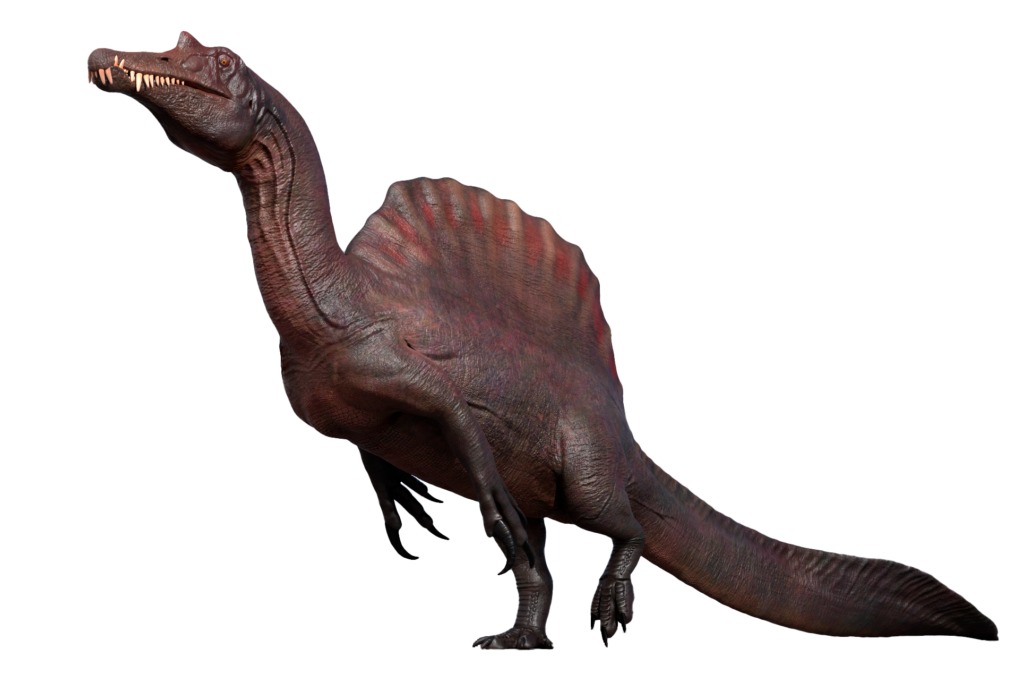
Interestingly, while Spinosaurus also lived in the Sahara region during the Cretaceous period, it exhibited different adaptations. Spinosaurus had conical teeth suited for catching fish, reflecting its semi-aquatic lifestyle, in contrast to the herbivorous grazing habits of Nigersaurus.
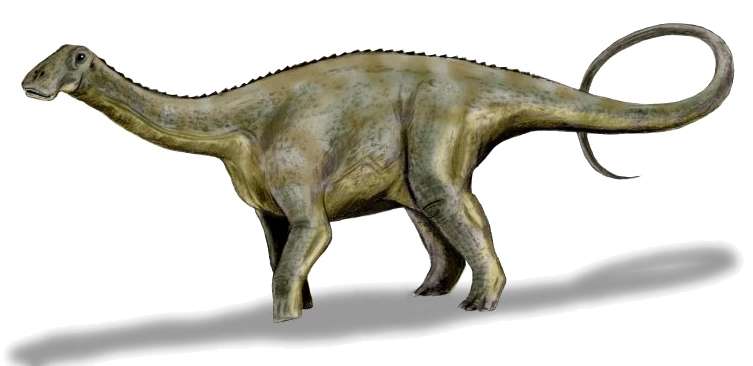
Nobu Tamura, CC BY 3.0, via Wikimedia Commons
Now, you might wonder why a dinosaur would need 500 teeth. Well, Nigersaurus had a secret. It was the world’s first dinosaur dentist! Its sharp teeth weren’t for tearing flesh or battling rivals but for delicately cropping and grinding vegetation. Nigersaurus had the most fabulous dental hygiene routine in the prehistoric world.
Habitat and Diet of Nigersaurus
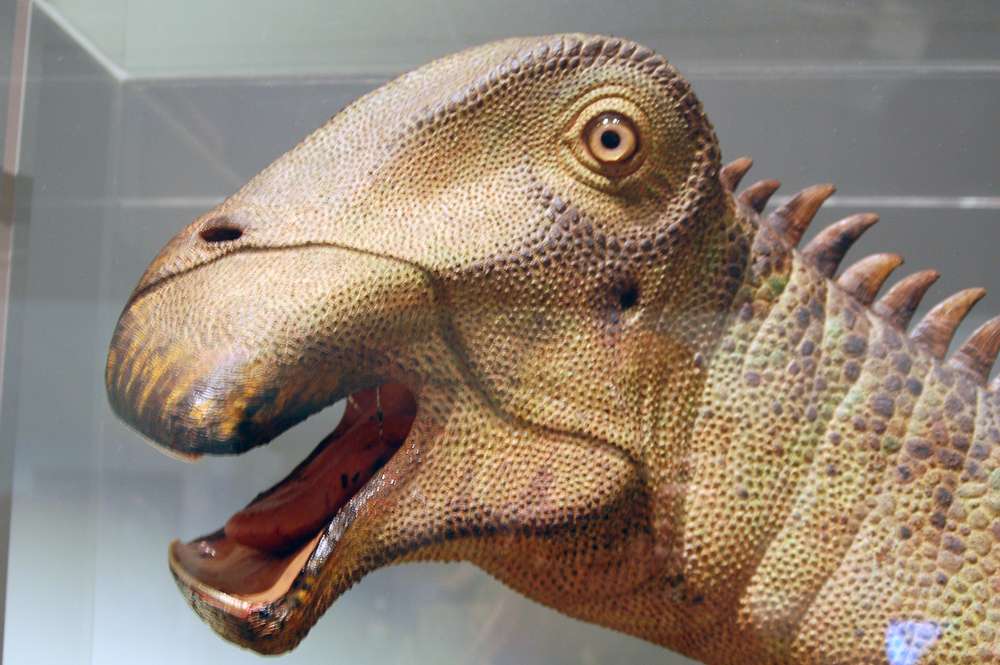
Matt Martyniuk (Dinoguy2), CC BY-SA 4.0, via Wikimedia Commons
Nigersaurus lived in what is now the Sahara Desert, an area that was once lush with rivers and vegetation. This dinosaur was a herbivore, primarily feeding on low-lying plants. Its unique dental structure suggests it was well-suited to grazing on soft plants, such as ferns and horsetails, making it an important part of its ecosystem.
Discovery and Research
The first remains of Nigersaurus were discovered in the 1970s by paleontologists exploring the rich fossil beds of the Sahara Desert. However, these initial findings were fragmentary, leaving many questions about this intriguing dinosaur unanswered. It wasn’t until the 1990s that scientists unearthed more complete specimens, allowing for a deeper understanding of Nigersaurus’s unique characteristics. With these new discoveries, researchers embarked on extensive studies, which have since revealed fascinating details about its anatomy and lifestyle.
Through detailed analysis, scientists uncovered that Nigersaurus possessed a highly specialized jaw with approximately 500 teeth, adapted perfectly for grazing on soft vegetation. Additionally, its lightweight skull structure and broad muzzle provided further insights into its feeding habits and ecological niche. These findings have not only shed light on the Nigersaurus itself but have also broadened our knowledge of the diverse range of herbivorous dinosaurs that once thrived on Earth. The research on Nigersaurus has thus played a crucial role in piecing together the complex puzzle of dinosaur evolution and their various adaptations.