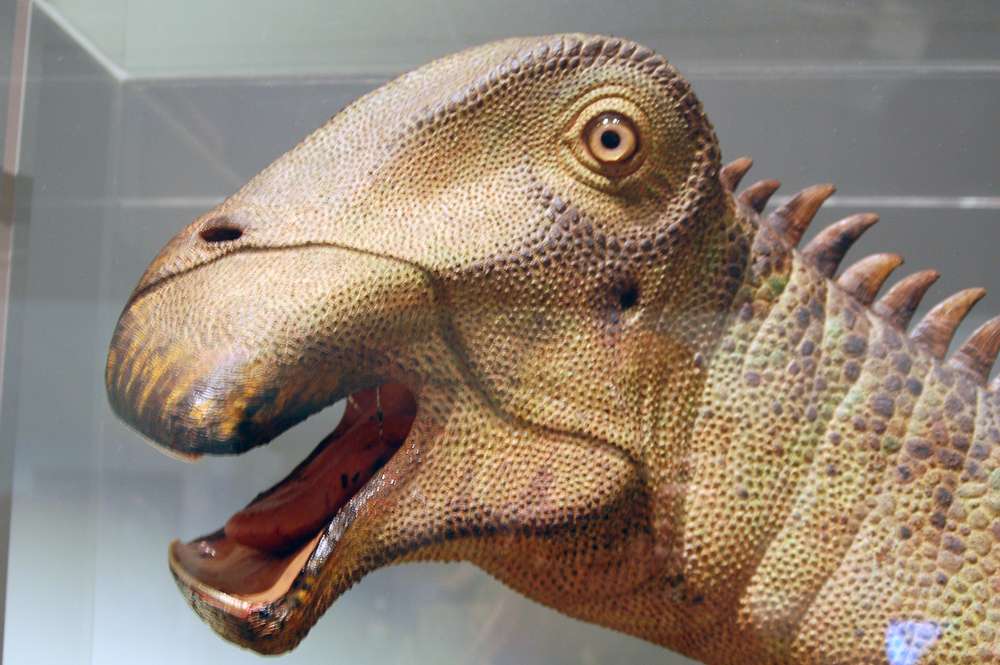
Dinosaurs have fascinated us for centuries with their colossal size, unique adaptations, and mysterious past. While most of us envision dinosaurs as terrestrial giants, there’s a lesser-known group of prehistoric creatures that conquered the oceans, rivers, and lakes of the ancient world. In this blog post, we’ll dive deep into the realm of water dinosaurs, exploring their incredible diversity, adaptations, and the secrets they’ve left behind.
The Ancient Mariners: Who Were the Water Dinosaurs ?
Water dinosaurs, scientifically known as marine reptiles, were not actually dinosaurs in the traditional sense. Instead, they belonged to distinct groups of reptiles that adapted to aquatic life during the Mesozoic Era, the age of dinosaurs. Some of the most famous water dinosaurs include:
Ichthyosaurs:
These streamlined swimmers resembled modern dolphins and ruled the seas for millions of years.
Ichthyosaurs were marine reptiles that lived during the Mesozoic era, approximately 250 to 90 million years ago. They were highly adapted to life in the water, with streamlined bodies and fins similar to those of modern dolphins, allowing them to be efficient swimmers. These adaptations helped ichthyosaurs become dominant predators in the seas of their time.
Have fantastic fun playing with this prehistoric Ichthyosaurus toy figurine. A mix between a dolphin and a shark! The toy is 7 ½ inches long and 2 ½ inches to the top of it’s dorsal fin.
Great gift idea for anyone over 3 years!
Plesiosaurs:
With their long necks and powerful flippers, plesiosaurs were skilled predators that prowled the oceans.
Plesiosaurs thrived during the Mesozoic era, particularly from the late Triassic to the end of the Cretaceous period, roughly 203 to 66 million years ago. These reptiles are characterized by their distinct body structure, with long necks, small heads, broad torsos, and powerful flippers, which they used to maneuver through the water with agility. Plesiosaurs are often divided into two main groups based on their neck lengths: the long-necked plesiosaurs (like Elasmosaurus) and the short-necked pliosaurs (like Liopleurodon). Their unique adaptations made them formidable hunters in their marine environments.
Have great fun playing with the Jurassic World Savage Strike Plesiosaurus action figure!
Get ready to rock the Jurassic World by using different figures to face off against each other in battle! Use the savage strike attack move for your figurine by pressing on the body and moving the limbs as you enjoy playing with your Jurassic prehistoric creature!
Mosasaurs:
These serpentine reptiles were the apex predators of Late Cretaceous seas and grew to impressive sizes.
Mosasaurs were large, predatory marine reptiles that lived during the Late Cretaceous period, approximately 70 to 66 million years ago. They were among the apex predators of their time and are known for their streamlined bodies, powerful jaws lined with sharp teeth, and tail fins that allowed them to be swift swimmers. Mosasaurs evolved from semi-aquatic ancestors and adapted fully to a marine lifestyle, growing to impressive sizes—some species reached lengths of up to 50 feet or more. They were efficient hunters, feeding on a variety of prey including fish, ammonites, and even other marine reptiles.
Mosasaurus, the colossal swimming dinosaur from the Jurassic prehistoric era!
Have great fun playing with this 13.4 inch (length) x 5 inch (width) realistic sculpted toy with a jaw that can open and close!
Great gift idea or even as a cake decoration with extra bite on top!
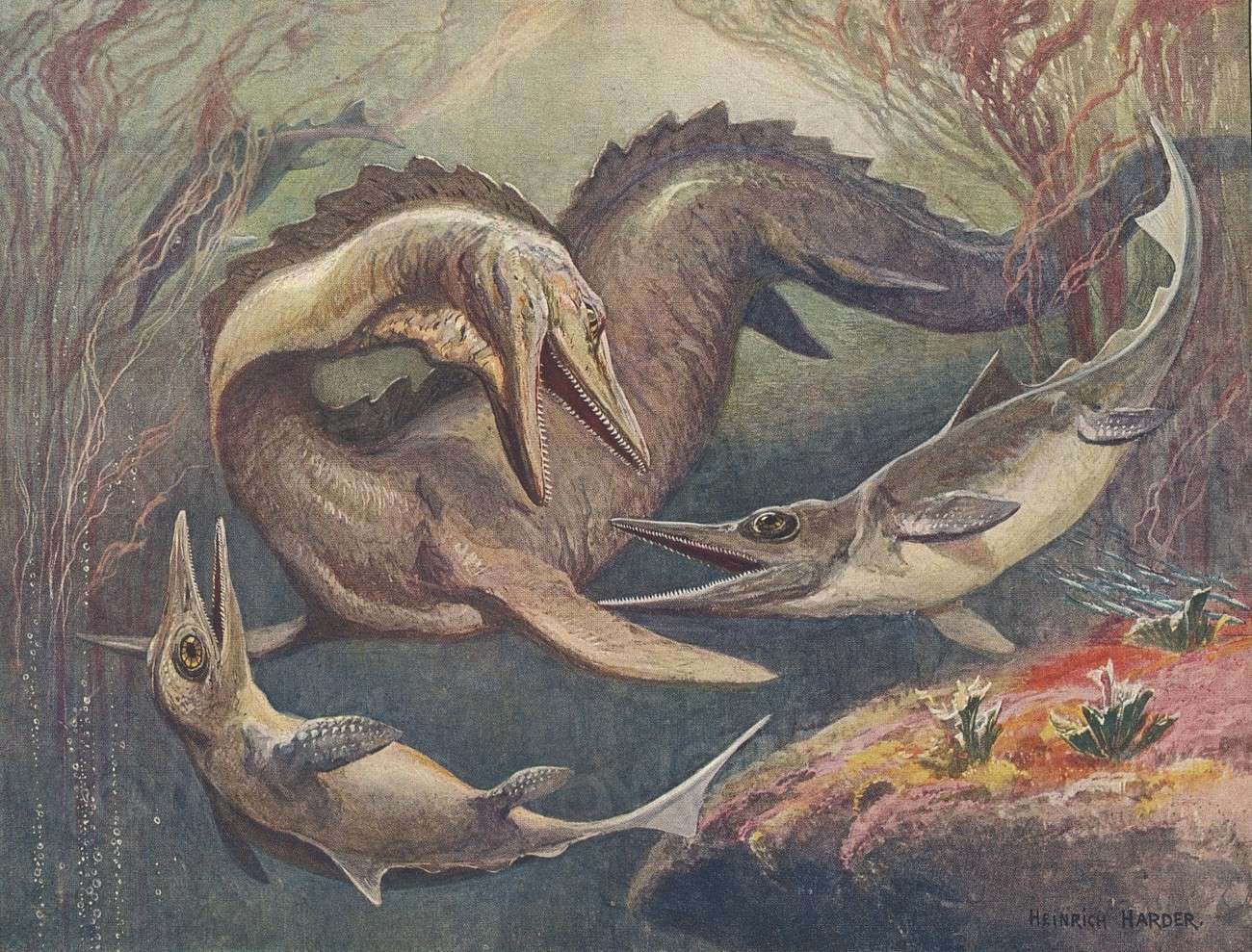
Illustrations for Die Wunder der Urwelt 1912 Mosasaurus and Ichthyosaurs
Adaptations for Life in Water
- Streamlined Bodies: Marine reptiles, such as ichthyosaurs, plesiosaurs, and mosasaurs, evolved streamlined bodies that reduced water resistance. This streamlined shape allowed them to move efficiently through the water, similar to modern dolphins and sharks.
- Limbs Transformed into Flippers: Over time, the limbs of these reptiles transformed into flipper-like structures. This adaptation improved their ability to propel themselves through the water and maneuver with agility, essential for catching prey and evading predators.
- Respiratory Adaptations: Marine reptiles developed specialized respiratory systems to extract oxygen from water. For example, ichthyosaurs and mosasaurs likely had lungs similar to terrestrial reptiles, while plesiosaurs may have had gills or a combination of lungs and gills for underwater breathing. These adaptations enabled them to stay submerged for extended periods during dives.
- Predatory Features: Many marine reptiles were apex predators in their ecosystems, equipped with sharp teeth and keen senses for hunting underwater. Their teeth varied depending on their prey; for instance, mosasaurs had conical teeth suited for catching fish and other marine animals, while plesiosaurs had more diverse dental structures possibly adapted for different feeding strategies.
Diverse Diets and Lifestyles
Water dinosaurs exhibited a wide range of diets and lifestyles, reflecting their diverse niches in the aquatic ecosystems. Ichthyosaurs and plesiosaurs, for instance, preyed on fish and marine invertebrates, while mosasaurs hunted marine reptiles and large fish. Some pterosaurs relied on skim-feeding to capture fish near the water’s surface.
Ancient Seascape
During the Mesozoic Era, which spanned from approximately 252 to 66 million years ago, Earth’s continents were indeed arranged quite differently than they are today. The breakup of the supercontinent Pangaea began during the Triassic period and continued through the Jurassic and Cretaceous periods, leading to the formation of separate landmasses we recognize today.
- Triassic Period: At the start of the Mesozoic Era, Pangaea began to break apart, creating large northern and southern continents surrounded by expansive oceans. These oceans were populated by early marine reptiles like ichthyosaurs and plesiosaurs, along with ammonites and diverse marine invertebrates.
- Jurassic Period: By the Jurassic period, the supercontinent Pangaea had split into Laurasia (which would eventually become North America and Eurasia) and Gondwana (comprising South America, Africa, Antarctica, Australia, and the Indian subcontinent). This period saw the rise of large marine predators such as pliosaurs and early forms of mosasaurs, alongside continued diversity in marine life.
- Cretaceous Period: During the Cretaceous period, Gondwana further fragmented, leading to the separation of South America, Africa, Antarctica, Australia, and India. The Atlantic Ocean began to widen, and shallow seas covered large parts of North America, Europe, and Asia. This period was dominated by apex predators like advanced mosasaurs, alongside a variety of marine reptiles, ammonites, and marine fish.
Throughout the Mesozoic Era, marine ecosystems were teeming with life. Vast oceans and inland seas provided ample habitats for marine reptiles (often referred to as “sea dinosaurs”), which evolved diverse adaptations for life in the water. These reptiles shared their environments with other marine organisms such as ammonites, ancient sharks, bony fish, and a wide array of invertebrates, contributing to a rich and dynamic marine ecosystem during this era of Earth’s history.
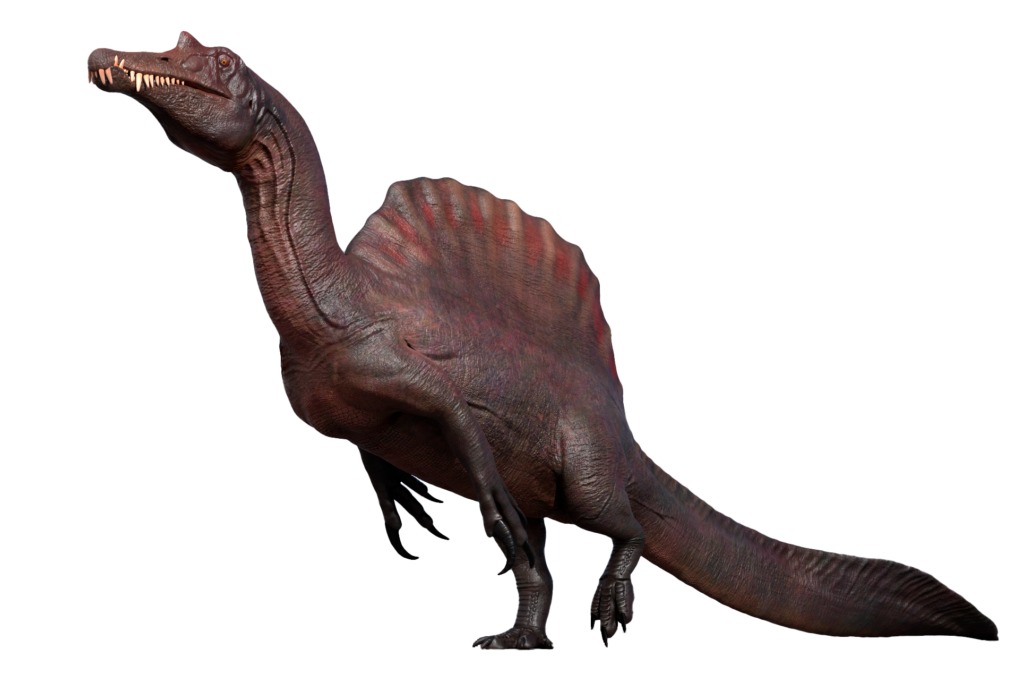
Was Spinosaurus a water dinosaur ?
Spinosaurus was not a true water dinosaur like ichthyosaurs, plesiosaurs, or mosasaurs. Instead, it was a dinosaur, specifically a theropod dinosaur. However, Spinosaurus was a unique dinosaur that exhibited adaptations for a semi-aquatic lifestyle. It lived during the Cretaceous period in what is now North Africa, which included a vast river system, and it is believed to have spent a significant amount of time in and around the water.
Spinosaurus had adaptations that allowed it to be a proficient swimmer and a predator in aquatic environments. These adaptations included a long, crocodile-like snout, strong forelimbs with clawed fingers, and a sail-like structure on its back. While it could hunt in the water and was likely a skilled fisherman, it could also move on land.
The Mass Extinction of Water Dinosaurs
The end of the Mesozoic Era, approximately 66 million years ago, marked a significant event in Earth’s history known as the Cretaceous-Paleogene (K-Pg) extinction event. This event resulted in the extinction of not only the non-avian dinosaurs but also many other species, including marine reptiles like ichthyosaurs, plesiosaurs, and mosasaurs.
Scientists hypothesize that a cataclysmic event, most likely a large asteroid impact near the Yucatán Peninsula in Mexico, played a crucial role in triggering this mass extinction. The impact would have released an enormous amount of energy, causing widespread wildfires, tsunamis, and injecting vast quantities of dust and aerosols into the atmosphere. These environmental changes led to a rapid and severe disruption of ecosystems worldwide.
Key factors contributing to the extinction of marine reptiles and other organisms during this event include:
- Climate Change: The impact would have caused a temporary global cooling due to dust blocking sunlight, followed by a period of global warming due to greenhouse gases released into the atmosphere from impact-related fires and vaporization of carbonate rocks.
- Ocean Acidification: The release of sulfur and carbon dioxide into the atmosphere could have led to acid rain and acidification of the oceans, impacting marine life including plankton and coral reefs, which form the base of the marine food web.
- Loss of Habitat: The combination of global cooling, ocean acidification, and reduced sunlight would have severely disrupted ecosystems, causing widespread loss of habitat and food sources for marine reptiles and other species.
- Impact Winter: The dust and aerosols ejected into the atmosphere would have blocked sunlight for an extended period, causing a prolonged “impact winter” that disrupted photosynthesis and food chains both on land and in the oceans.
The K-Pg extinction event had profound and long-lasting effects on Earth’s biodiversity, marking the end of the Mesozoic Era and the dawn of the Cenozoic Era. It opened up ecological niches that eventually led to the rise of mammals and other groups that dominate terrestrial and marine ecosystems today.
Water Dinosaurs: Conclusion
These marine reptiles, though not closely related to dinosaurs in the strict biological sense, shared the Mesozoic world with their more well-known terrestrial counterparts. They thrived and evolved over millions of years, demonstrating the incredible adaptability of life in response to changing environmental conditions.
Today, the fossils of these ancient mariners serve as valuable windows into the past, providing scientists with insights into the anatomy, behavior, and ecological roles of these extinct creatures. Studying their fossils helps us understand the evolution of marine life, the dynamics of ancient ecosystems, and the broader history of life on Earth.
Moreover, the study of water dinosaurs continues to inspire wonder and curiosity among scientists and the general public alike. Their existence challenges our understanding of what life can become under different evolutionary pressures and environmental circumstances. They remind us of the enduring mysteries and complexities of the natural world, encouraging ongoing exploration and discovery in paleontology and evolutionary biology.
In summary, while these ancient marine reptiles are no longer alive today, their legacy lives on through the fossil record and the scientific knowledge they have left behind, enriching our understanding of Earth’s history and the diversity of life that has existed over millions of years.
Disclaimer: As an Amazon Associate I earn from qualifying purchases at no additional cost to you!